
Payment Processing
EMV, NFC, Mobile Payments and More: A Business Owner's Guide
By Chellecomm Team · · 5 min read
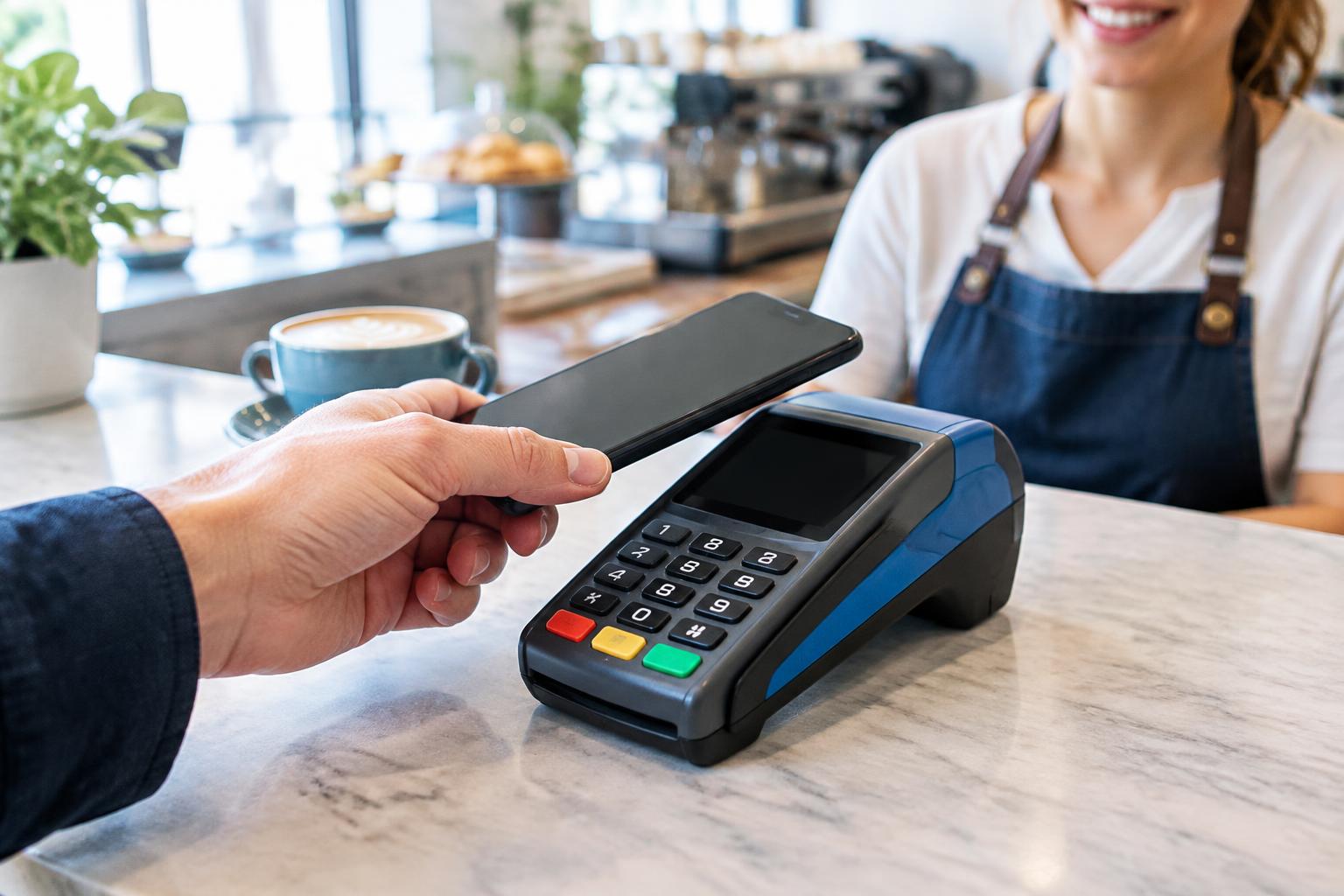
Payment technology has developed quickly, which has left business owners with an expanding list of terms to understand. EMV, NFC, mobile wallets, virtual terminals, payment gateways, contactless cards, and card-not-present transactions may all come up when you are evaluating payment solutions.
You do not need to become a payments expert to run your business, but understanding the basic terminology can help you ask better questions and choose technology that makes sense for your customers. This guide explains several of the most common payment technologies and what they mean for merchants.
What Is EMV?
EMV generally refers to the technology used in chip-enabled payment cards and terminals. Instead of relying exclusively on the information stored on a magnetic stripe, an EMV chip interacts with a compatible terminal during the transaction. For merchants, the familiar experience is inserting or tapping a chip-enabled card at the payment terminal.
When evaluating new payment equipment, businesses that accept cards in person should understand whether the equipment supports current card technologies and payment methods.
What Is NFC?
NFC stands for near-field communication. It is a short-range wireless technology commonly used to enable contactless transactions between compatible payment cards or mobile devices and payment terminals. When a customer taps a contactless card, smartphone, or compatible wearable near a payment terminal, NFC technology helps the devices communicate.
For the merchant, the important question is usually straightforward: does your terminal support contactless payments?
What Are Contactless Payments?
A contactless payment allows the customer to make a transaction without inserting or swiping a physical card. The customer may tap a contactless card or use a digital wallet on a phone or other compatible device. Contactless payment methods have become an important part of the broader shift toward faster and more convenient digital transactions. Visa, for example, continues to identify contactless payments and digital wallets among the technologies shaping the payments landscape.
For many businesses, contactless acceptance is less about adopting something unusual and more about supporting another common way customers may want to pay.
What Is a Mobile Wallet?
A mobile wallet allows a customer to store eligible payment credentials digitally and make payments using a compatible device. Apple Pay and similar wallet services are common examples. From the merchant's perspective, many in-person mobile wallet transactions work through the same NFC capability used for contactless cards. Online and in-app wallet experiences can operate differently depending on the payment environment.
The main benefit for customers is convenience. For merchants, supporting mobile wallets can help create a checkout experience that aligns with changing payment preferences.
What Is Mobile Payment Processing?
Mobile payments can mean different things depending on the context. Sometimes the term refers to customers using their phones to pay. In other cases, it refers to the merchant using a smartphone, tablet, or portable payment device to accept a transaction. Mobile processing can be useful for businesses that perform services away from a traditional checkout counter, including mobile service providers, events, field services, and businesses that bring payment directly to the customer.
When evaluating mobile payment technology, consider connectivity, hardware requirements, ease of use, security, and how transactions will be managed alongside the rest of your payment activity.
What Is a Payment Gateway?
A payment gateway helps facilitate electronic payments between the customer's checkout experience and the payment-processing environment. Gateways are particularly important in e-commerce, where there is no physical terminal connecting the customer's card to the merchant. The gateway can be integrated into an online store, website, application, or other digital purchasing experience.
Businesses evaluating a gateway should consider compatibility with their website or commerce platform, the checkout experience, security features, available payment methods, reporting, and pricing.
What Is a Virtual Terminal?
A virtual terminal allows an authorized business user to manually enter payment details into a secure web-based interface. This can be useful for businesses that accept payments over the phone or in situations where the customer is not physically presenting a card to a terminal. Because manually entered transactions differ from standard card-present transactions, businesses should understand the pricing and security considerations associated with this payment method.
What Is the Difference Between Card-Present and Card-Not-Present Payments?
A card-present transaction generally occurs when the payment credential is used with the merchant's physical payment environment, such as a chip or contactless transaction at a terminal. Card-not-present transactions occur when the physical card is not presented in the same way, which commonly includes many e-commerce, phone, and manually entered transactions.
The distinction matters because transaction risk, processing costs, and security practices can differ between the two environments. If your business accepts both in-person and remote payments, ask your payment provider to explain how each type of transaction is handled.
What Does PCI Compliance Have to Do With Payment Technology?
PCI DSS establishes security requirements for businesses involved with payment card data. The requirements that apply to you depend partly on how payment information is accepted, processed, and stored. The way your payment environment is set up can affect both the customer experience and your compliance responsibilities. If you are changing providers, our guide to switching payment processors covers the security questions to ask.
Which Payment Technology Does Your Business Need?
There is no advantage to adding technology simply because it exists. Start with your customers and operations. If nearly every transaction takes place at a physical counter, modern terminal capabilities may be the priority. If you sell online, your gateway and digital checkout experience deserve more attention. If your employees travel to customers, mobile acceptance may be essential.
Some businesses need all three. The right payment environment is the one that supports the ways your customers actually buy from you. If you are evaluating a full point-of-sale system, see Your POS System Is More Than a Cash Register
Keep Payment Technology in Perspective
Payments are becoming more digital, but business owners do not need to chase every trend. What matters is understanding which technologies can make transactions more convenient, secure, and practical for your particular business.
Chellecom helps merchants understand those choices without expecting them to become payment-technology specialists themselves.
If you are evaluating payment technology, talk with Chellecom about how customers pay you today and how you would like that experience to improve.
Frequently Asked Questions
What is the difference between EMV and NFC?
EMV is commonly associated with chip-based payment technology, while NFC is the wireless communication technology used for many contactless transactions. A modern payment terminal may support both.
Do I need NFC to accept Apple Pay?
For typical in-person Apple Pay transactions, the merchant's payment terminal needs compatible contactless functionality, which commonly uses NFC.
What is a payment gateway used for?
A payment gateway helps connect a digital checkout experience with payment-processing infrastructure. It is commonly used for e-commerce and other online payment environments.
Are online payments PCI compliant automatically?
No. Merchants can still have PCI DSS responsibilities even if much of their payment processing is outsourced to a third party.
Related Articles
Payment Processing
Payment Approval Rates Explained: Why Successful Transactions Matter as Much as Processing Costs
Learn what payment approval rates are, why legitimate transactions get declined, and how payment performance can affect revenue, conversion, and customer experience.
· 8 min read

Payment Processing
Switching Payment Processors? 10 Questions to Ask Before You Sign Anything
Thinking about changing payment processors? Ask these 10 questions about rates, contracts, equipment, integrations, support, and security before you sign.
· 4 min read

Payment Processing
What Are You Actually Paying for in Credit Card Processing?
Learn what makes up credit card processing costs, how common pricing models work, and what business owners should review on a merchant processing statement.
· 5 min read