
Payment Processing
Switching Payment Processors? 10 Questions to Ask Before You Sign Anything
By Chellecomm Team · · 4 min read

Switching payment processors can improve the way a business accepts and manages payments, but changing providers without asking the right questions can simply replace one set of frustrations with another. Before signing a new merchant agreement, understand the complete payment environment you are moving into. Pricing matters, but so do your contract, technology, equipment, integrations, support, and day-to-day workflow.
These ten questions will help you evaluate the decision before you commit.
1. How Is My Processing Price Calculated?
Do not stop at the headline rate. Ask the provider to explain how your pricing works and what factors can affect the amount you pay. Find out whether pricing differs for in-person, online, manually entered, or other transaction types. Your goal is to understand the structure well enough that your first statement does not feel like a surprise.
2. What Fees Should I Expect Beyond the Transaction Rate?
Ask about recurring account fees, gateway charges, equipment costs, chargeback fees, PCI-related charges, monthly minimums, and any other expenses relevant to your account. Not every provider uses the same fee structure. Requesting the complete picture is more useful than comparing one percentage between two proposals.
3. Is There a Contract?
Understand whether you are entering a fixed-term agreement. If so, ask how long it lasts, whether it renews automatically, and what happens if you decide to leave early. Payment-processing contracts are business agreements, so read them as carefully as you would any other important vendor contract. If a salesperson makes a promise that matters to your decision, make sure you understand how that promise is reflected in the agreement.
4. What Happens If I Want to Cancel?
A business relationship can change even when everyone starts with good intentions. Ask whether early termination fees apply, what notice is required, and whether other contracts are attached to your payment setup. For example, equipment or software can sometimes be governed by separate agreements. Understanding the exit process before you enter the relationship gives you a much clearer picture of your commitment.
5. What Hardware Will I Need?
Find out whether your existing equipment can be used or whether you will need new terminals or point-of-sale hardware. If new equipment is required, understand whether it is purchased, rented, leased, or otherwise provided. Ask who owns the equipment and what happens to it if the relationship ends. Equipment decisions can have longer-term consequences than businesses sometimes realize.
6. Will the New System Work With My Existing Software?
Make a list of the business systems connected to payments today. That can include accounting software, e-commerce platforms, point-of-sale systems, scheduling tools, business-management applications, or other industry-specific technology. Do not assume compatibility because a provider says it supports integrations. Verify the specific applications and workflows your business depends on.
7. Which Payment Methods Can I Accept?
Consider both current and likely future customer needs.
- Can you accept chip cards and contactless transactions?
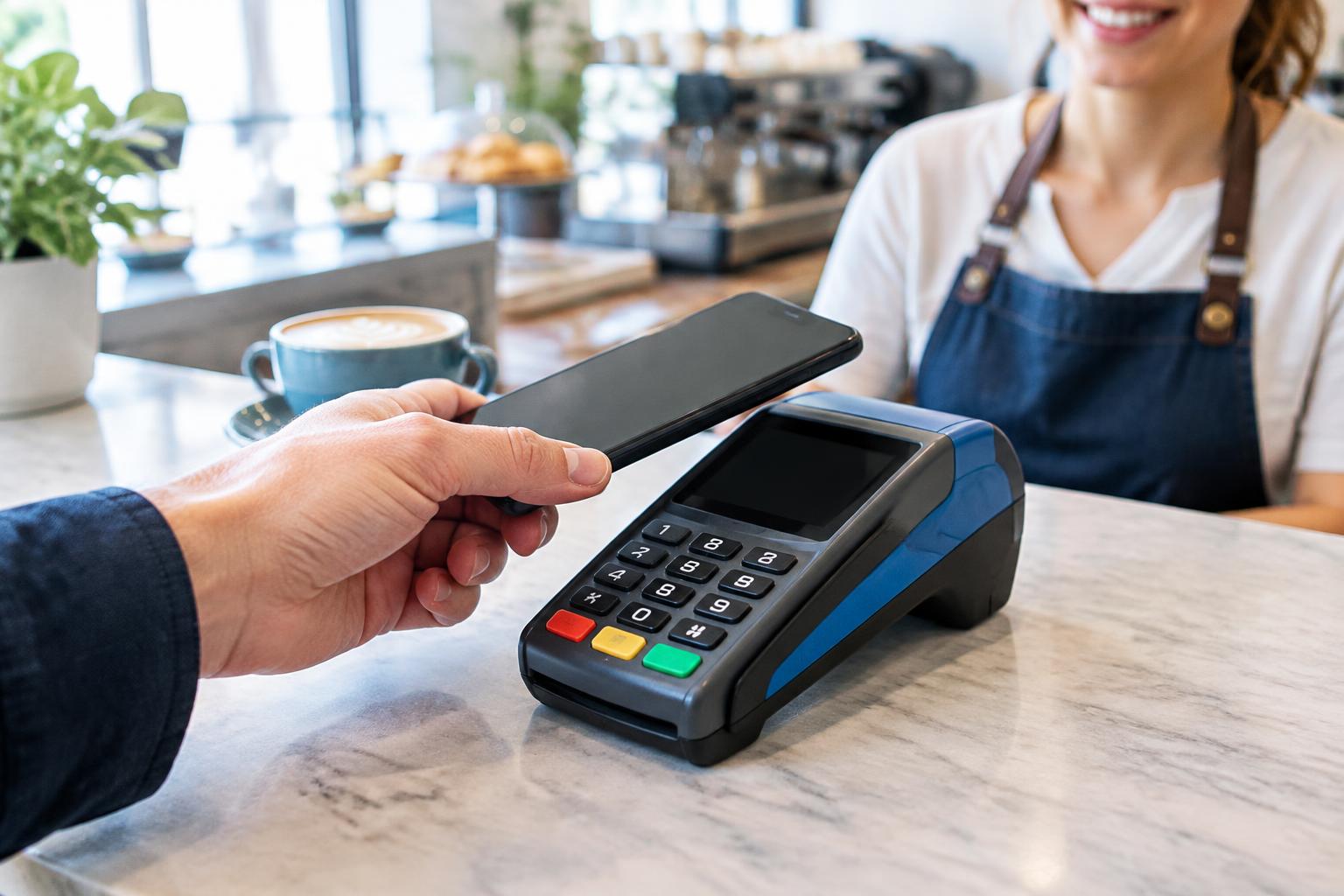
- Can the system support mobile wallets?
- What happens if you need to accept payments online?
- Can employees take payments remotely?
A processor that works for today's business but cannot support your next sales channel may create another switching project sooner than expected.
8. How Does Customer Support Work?
Ask this before you have a problem.
- Who do you contact if equipment stops working?
- Who handles questions about deposits or statements?
- What support is available outside normal business hours?
- Is assistance provided by the processor, a technology company, another service provider, or some combination?
The answer should make sense for the way your business operates.
9. What Are My Payment-Security Responsibilities?
Changing providers does not eliminate the merchant's responsibility to pay attention to security. PCI DSS applies broadly to organizations involved in payment-card environments, and merchants can retain compliance responsibilities even when processing activities are outsourced. Ask how the provider supports PCI compliance and what actions your business will still need to take. You should know where the provider's responsibilities end and yours begin.
10. Can This Setup Grow With My Business?
Think beyond the immediate reason you are switching. If you open another location, launch e-commerce, introduce mobile payment acceptance, or increase transaction volume, can the new environment accommodate those changes? Ask how upgrades and additional services work. You do not need to buy everything today, but you should know whether tomorrow's options exist.
Before You Switch, Review What You Already Have
Your current processor may have contract requirements that affect the timing or cost of switching. Review your agreement, equipment commitments, gateway arrangements, and connected software before setting a transition date. You should also plan for operational details such as installing new equipment, configuring software, training employees, testing transactions, and confirming access to reporting. A processor change is much easier when it is treated as an operational transition rather than simply signing a new form.
Do Not Switch Without Knowing Why
Businesses sometimes begin searching for a new processor because someone offered a lower rate. Price can be a perfectly valid reason to review your options, but identify the full business problem first.
- Are you trying to reduce costs?
- Do you need better technology?
- Is support the problem?
- Do you need online payments?
- Are your existing systems no longer compatible with your operations?
The clearer the objective, the easier it becomes to evaluate whether a new provider actually solves it.
Make the New Relationship Better Than the Old One
Changing payment processors should result in a setup that better fits your business. The best way to increase the odds of that happening is to ask detailed questions before signing.
Chellecom works with merchants across a wide range of industries and payment environments. We help businesses evaluate their needs and understand the merchant-services options available to them.
Considering a processor change? Talk with Chellecom about why you are thinking about switching and what you need the next relationship to do better.
Frequently Asked Questions
Is it difficult to switch payment processors?
The complexity depends on your existing equipment, software integrations, contracts, payment channels, and business environment. Planning the transition carefully can reduce disruption.
Can I keep my current credit card terminal?
Sometimes, but compatibility depends on the equipment, processor, software, and configuration. Confirm compatibility before assuming existing hardware can be reused.
Can I switch processors if I am under contract?
You may be able to, but termination terms or fees may apply. Review your existing agreement before making a decision.
What is the most important thing to compare between processors?
There is no single factor. Compare total costs, contracts, technology, integrations, equipment, support, security responsibilities, and how well each solution fits your business.
Related Articles
Payment Processing
EMV, NFC, Mobile Payments and More: A Business Owner's Guide
Understand EMV, NFC, contactless payments, mobile wallets, payment gateways, and other common payment technology in straightforward business terms.
· 5 min read

Payment Processing
Payment Approval Rates Explained: Why Successful Transactions Matter as Much as Processing Costs
Learn what payment approval rates are, why legitimate transactions get declined, and how payment performance can affect revenue, conversion, and customer experience.
· 8 min read

Payment Processing
What Are You Actually Paying for in Credit Card Processing?
Learn what makes up credit card processing costs, how common pricing models work, and what business owners should review on a merchant processing statement.
· 5 min read